Author: thecenter_cmj6r8
-

Innovation knows no bounds. Ready to explore the limitless possibilities with us?
The Power of Imagination in Driving Innovation
Innovation is the cornerstone of progress, and at its heart lies a powerful and often underestimated force: imagination. For Florida, a state renowned for its cultural diversity and thriving business ecosystem, harnessing the power of imagination can lead to unprecedented advancements in arts, culture, innovation, and business. This article explores the pivotal role of imagination in driving innovation, the ways it leads to invention, and how individuals can cultivate their imaginative capabilities.
How Does Imagination Lead to Innovation?
Imagination is the ability to envision possibilities beyond the constraints of current reality. It serves as the initial spark that ignites the innovation process. According to research from the University of Pennsylvania, imagination plays a crucial role in problem-solving and creativity. When individuals imagine different scenarios and outcomes, they can devise novel solutions and approaches to challenges. Imagination enables the visualization of abstract concepts, allowing innovators to conceptualize products and services that do not yet exist. This mental simulation of ideas is a fundamental step in the innovation process. For instance, the design of The Center for Arts & Innovation in Boca Raton, spearheaded by the renowned Renzo Piano Building Workshop, is a testament to how imaginative thinking can lead to groundbreaking architectural and cultural projects.
Why is Imagination Important for Invention?
Invention is the process of bringing imaginative ideas to life. Without imagination, there would be no foundation for inventing new tools, technologies, or artistic expressions. The Smithsonian highlights that imagination fosters a sense of curiosity and exploration, which are essential for invention. Moreover, imagination allows inventors to break free from conventional thinking and explore uncharted territories. This openness to new experiences and perspectives is critical for creating innovative solutions that can address complex problems. In our vision to bring a cultural center to Boca Raton, we hope that imaginative thinking can lead to the development of creative enterprises and cultural initiatives that drive economic growth and community enrichment.
How to Cultivate Your Imagination?
Cultivating imagination is a continuous process that involves nurturing creativity, curiosity, and open-mindedness. Here are some strategies to enhance your imaginative capabilities:
- Engage in Creative Activities: Participating in arts and cultural activities can significantly boost your imagination. Visiting museums, attending performances, and engaging in artistic endeavors stimulate creative thinking and expose you to diverse perspectives
- Practice Mindfulness and Reflection: Taking time to reflect on your experiences and thoughts can enhance your ability to imagine new possibilities. Mindfulness practices, such as meditation and journaling, help clear mental clutter and foster a deeper connection with your inner creativity
- Explore New Experiences: Stepping out of your comfort zone and exploring new environments can inspire imaginative thinking. Traveling, learning new skills, and interacting with people from different backgrounds provide fresh insights and ideas that fuel innovation
- Collaborate with Others: Collaboration is a powerful catalyst for imagination. Working with individuals who have diverse skills and perspectives can lead to the cross-pollination of ideas and the creation of innovative solutions. The Center for Arts & Innovation aims to bring together creators, thinkers, students, and entrepreneurs to foster a collaborative environment where imagination thrives.
- Embrace Failure as a Learning Opportunity: Fear of failure can stifle imaginative thinking. Embracing failure as a natural part of the creative process allows you to take risks and explore unconventional ideas without the pressure of perfection. Each failure provides valuable lessons that contribute to future success
The Impact on Florida’s Arts, Culture, and Business
The Center for Arts & Innovation in Boca Raton exemplifies how imagination can drive cultural and economic growth. By fostering a creative ecosystem that integrates arts, education, business, and innovation, the center aims to transform the cultural landscape. This visionary project not only provides a platform for artistic expression but also serves as a hub for innovation and entrepreneurship. The recent state funding underscores the importance of supporting imaginative projects that enhance social wellness and community engagement. With adequate funding and community support, The Center for Arts & Innovation is poised to become a beacon of creativity, driving Florida’s cultural and economic future.
Conclusion
Imagination is a powerful force that drives innovation and invention. By cultivating our imaginative capabilities and supporting initiatives like The Center for Arts & Innovation, we can create a vibrant and dynamic future for our arts, culture, and business sectors. As we continue to explore new possibilities and embrace creative thinking, the potential for transformative impact is boundless. To learn more about the exciting developments at The Center for Arts & Innovation and how you can support its mission, visit The Center for Arts & Innovation.
-
Immersive Learning for Children
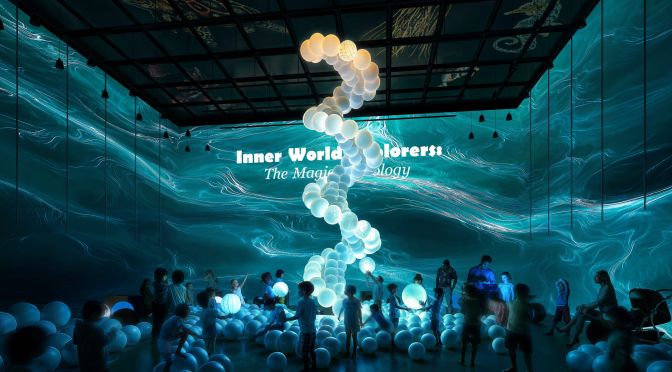
When thinking about school and learning, often the mind goes to long hours spent reading textbooks, listening to lectures, and note-taking. But in today’s rapidly evolving educational landscape, immersive learning strategies stand out as transformative tools that engage children and adults alike in deep, impactful learning experiences. By utilizing teaching strategies that engage learners in multiple pedagogies, we can transform educational experiences into thought-provoking, dynamic communities where we can all thrive.
What is Immersive Learning?
Immersive learning is an educational approach that uses realistic scenarios, virtual environments, or hands-on activities to deeply engage the learner. By simulating real-world experiences, this strategy allows learners to explore complex topics in a controlled, interactive environment where they can practice behaviors and decision-making without real-world consequences. This approach can be facilitated through technology, such as virtual reality (VR), augmented reality (AR), and online gaming tools, or through more traditional methods like role-playing, visits to museums or cultural institutions, and active problem-solving in the community.
The Effectiveness of Immersive Strategies
The effectiveness of immersive learning is well-documented. Studies have shown that this method enhances understanding, retention, and application of knowledge. For example, according to tech expert Elliott Masie, founder of the MASIE Center, a National Training Laboratory study found that while lectures and reading produce only 5% to 10% learning retention rates, a virtual reality experience can result in 75% retention — second only to learning by teaching someone else. Immersive strategies engage multiple senses, which can help to create stronger neural connections in the brain related to the content being learned. Moreover, by situating learners in the context of real-world scenarios, immersive learning fosters critical thinking, problem-solving, and decision-making skills.
Examples of Immersive Learning
Immersive learning is a multi-faceted pedagogy that includes many different practices. This includes community-based learning interacting within the community, global education such as study abroad, hands-on research practice including field research, work-integrated learning in professional settings such as internships and co-op programs, simulated learning, and can even look like making structural modifications to existing teaching frameworks to effectively address time, focus, and continuity issues for learners.
How to Implement
To implement immersive learning effectively, especially in a community center that supports diverse fields like the arts, business, and education, consider the following steps:
- Identify Learning Objectives: Clearly define what the learners need to achieve. This will guide the design of the immersive experience.
- Choose the Right Tools: Depending on the objectives and the available resources, select the appropriate tools—be it VR, AR, role-playing activities, or interactive simulations.
- Design the Experience: Develop the scenario or activity that will engage the learners. This should include realistic elements that mimic the real world as closely as possible to maximize learning outcomes.
- Train Facilitators: Educators and facilitators should be trained not only on how to use the technology but also on how to guide and support learners through these immersive experiences.
- Evaluate and Iterate: After implementing a session, gather feedback from participants and assess the learning outcomes. Use this information to refine and improve future sessions.
The Connection Between the Arts, Creativity, and Immersive Learning
Immersive learning is particularly powerful when integrated with the arts. The arts naturally foster creativity, critical thinking, and problem-solving—all essential skills for immersive learning. According to research, incorporating arts into learning environments can enhance cognitive abilities and foster a deeper understanding of complex subjects. Immersive learning environments that include artistic elements allow learners to explore and express creativity in new and meaningful ways, making learning a more engaging and holistic experience.
Benefits of Immersive Learning
Immersive learning is a way to make education across the arts, business, and innovation accessible to our communities. By providing a space within our local communities, we can attract a diverse group of participants that further encourages collaboration and sharing of information, and incites curiosity for knowledge. For children, immersive learning can ignite a passion for learning and creativity early in life, especially by offering diverse teaching methods that can help children who may struggle in traditional education systems. For adults, it can offer opportunities to learn new practical skills and a way to stay relevant in their professional fields. Overall, immersive learning activities can foster a sense of community and teamwork, which is essential for building strong, supportive local networks beyond the classroom.
Conclusion
Immersive learning is more than just an educational trend; it is a robust strategy that can transform how we teach and learn. By leveraging this learning strategy, we can provide impactful educational experiences that resonate with all age groups, preparing them not only for immediate success but also for lifelong learning. With the right approach, these centers can become vibrant hubs of knowledge, creativity, and growth, benefiting individuals and the broader community alike.
-
Stages of Design
What are the stages of architecture and design of some of the most iconic buildings in the world? How do we start with an idea and turn it into the physical manifestation of so many different elements that come together in order to transform a space?
According to the American Institute of Architects (AIA), there are five phases of the architectural design process. Keep reading as we dive into each phase and uncover how each one builds upon another.
- Schematic Design
- Schematic refers to the technical diagram of an architectural design. This phase provides the basis of a project to create the first visual representation of details and how elements of a building will operate or work together. Some consider the predesign process the true first step, as this is where ideas flow before the initial schematic design can be drawn up. Predesign is necessary to determine the feasibility of a proposed concept before a schematic design is made. A schematic design may include a site plan, floor plans, a preliminary assessment of cost, and necessary code or zoning considerations. We are excited to announce that the Center for Arts and Innovation is currently in this exciting phase of the design process, bringing together ideas to create a revolutionary space for our community.
- Design Development
- This second phase takes the schematic design another step further to offer a more detailed explanation of the primary diagram. It includes a finalized, approved brief of the initial schematic design so that these ideas can be developed into construction documents. Physical models and 3D computer renderings are often utilized to portray the design concept, as well as help determine exact construction schedules and the equipment material needed to complete the project. This next stage of the design process is soon to be released at The Center for Arts and Innovation, and we welcome you all to come celebrate with us when we have our first model unveiled.
- Construction Documents
- This is the largest phase for an architect. In the construction documents phase, architects and engineers work together to meld creative ideas with science to create a plan and bring the architectural design to life. Two exact sets are made – one to keep on-site throughout the construction process and the other is sent to the permitting authority. Construction documents are crucial to the success of the design project in order to ensure all components work together and the building is engineered as feasible and safe.
- Bidding
- Bidding may also be referred to as contractor selection. If a design firm has the necessary resources to construct a project, this phase of the design process is not needed. Otherwise, at this point, contractors are interviewed to discuss materials and schedules along with their bids for the project. Multiple contractors and their bids are reviewed in order to determine a fair price for the project based on the construction documents submitted from the previous phase.
- Construction Administration
- This is the final step before an architectural design is brought to life! While this is the phase most of us see, we often do not get to witness all the steps that lead up to this last phase. Now the architect’s role shifts from creative design to project management to ensure the design plans are accurately constructed. Architects may also be required to perform multiple inspections during this phase. The selected contractor and crew from the bidding phase are brought on to build the design until completion. While we have our crew and contractors in place, we look forward to the day we break ground and can begin construction – bringing to life this progressive community center and all the innovative concepts woven throughout the design process.
At The Center for Arts and Innovation, we are so excited to bring our community together for this design journey as we work towards creating a center that will benefit us all. We invite you to join us on this innovative pursuit and look forward to the day we can officially welcome everyone once the project is complete.
- Schematic Design
-
Ready to elevate your mind? Here’s a strategy to enhance your learning journey.
In a rapidly evolving world, continuous learning is not just a benefit; it’s a necessity. Individuals who cultivate a habit of personal growth find themselves better equipped to adapt to change, innovate, and contribute positively to their communities. Here are practical tips to integrate continuous learning into your life, and how community centers play a crucial role in the learning journey.
Embrace a Growth Mindset
The foundation of continuous learning is a growth mindset, a concept developed by psychologist Carol Dweck. It involved believing that your abilities and intelligence can be developed over time. With a growth mindset, every challenge becomes an opportunity to learn, and every failure is a stepping stone to success. This perspective not only enhances personal growth and resilience but also encourages you to engage more deeply with your community, as you’re more likely to participate in communal events without fearing failure.
Establish a Learning Culture
Creating a learning culture starts with curiosity and a commitment to self-improvement. To cultivate this culture, we must foster collaboration and knowledge-sharing amongst our communities. Start by setting clear learning goals to determine what you want to achieve and outline measurable steps to get there. Next, seek our resources. Public libraries, online courses, and workshops are excellent ways to begin. Finally, remember to practice consistently. Our new skills will improve with practice, further reinforcing learning as a part of daily life. Public infrastructure is pivotal in this regard, offering workshops, classes, and access to materials that support a wide range of learning topics, skills, and hobbies. Community centers are also ideal for fostering collaboration to enhance individual learning and engage with others where you can gain different perspectives and learn new ideas. Challenging your assumptions and considering other points of view is critical to learning and broadening your knowledge on a larger scale.
Adapt to Change
Adaptability is crucial in today’s ever-changing landscape, Being open to change and ready to learn new skills to handle evolving circumstances are essential traits. To adapt effectively:
- Stay informed: Keep up to date with the latest developments and technologies and consider how they may have an inter-disciplinary impact.
- Be proactive: Anticipate changes and prepare by acquiring new skills which may be relevant in advance.
- Learn How to Innovate: Innovation involves applying your knowledge creatively to solve problems and create new products, processes, or ideas. It requires a blend of critical thinking and creativity, skills that are nurtured in environments where experimental learning and thinking outside the box are encouraged.
Make Time for Reflection
Reflection is an integral part of learning. It allows you to consider what you’ve learned, understand your thought processes, and integrate new knowledge with existing ideas. Here’s how you can incorporate reflection into your learning:
- Keep a Journal: Write down what you learned each day and your thoughts on it.
- Discuss With Peers: Talking through what you’ve learned can offer new insights and reinforce your understanding.
Community Impact
Embracing these principles of continuous learning not only benefits you individually but also enriches the community as a whole. Public infrastructure that creates spaces for learning, interaction, and collaboration helps on the learning journey by encouraging the exchanging of ideas. Community centers can provide access to resources and opportunities and make them available for all to enjoy and benefit from. By creating spaces that combine various disciplines such as art, science, and business, and opening it up for public consumption, we can all benefit. In adopting these learning strategies you can significantly enhance not only your life but your communities as a whole.